When the City Isn’t Ready to Call It a Night
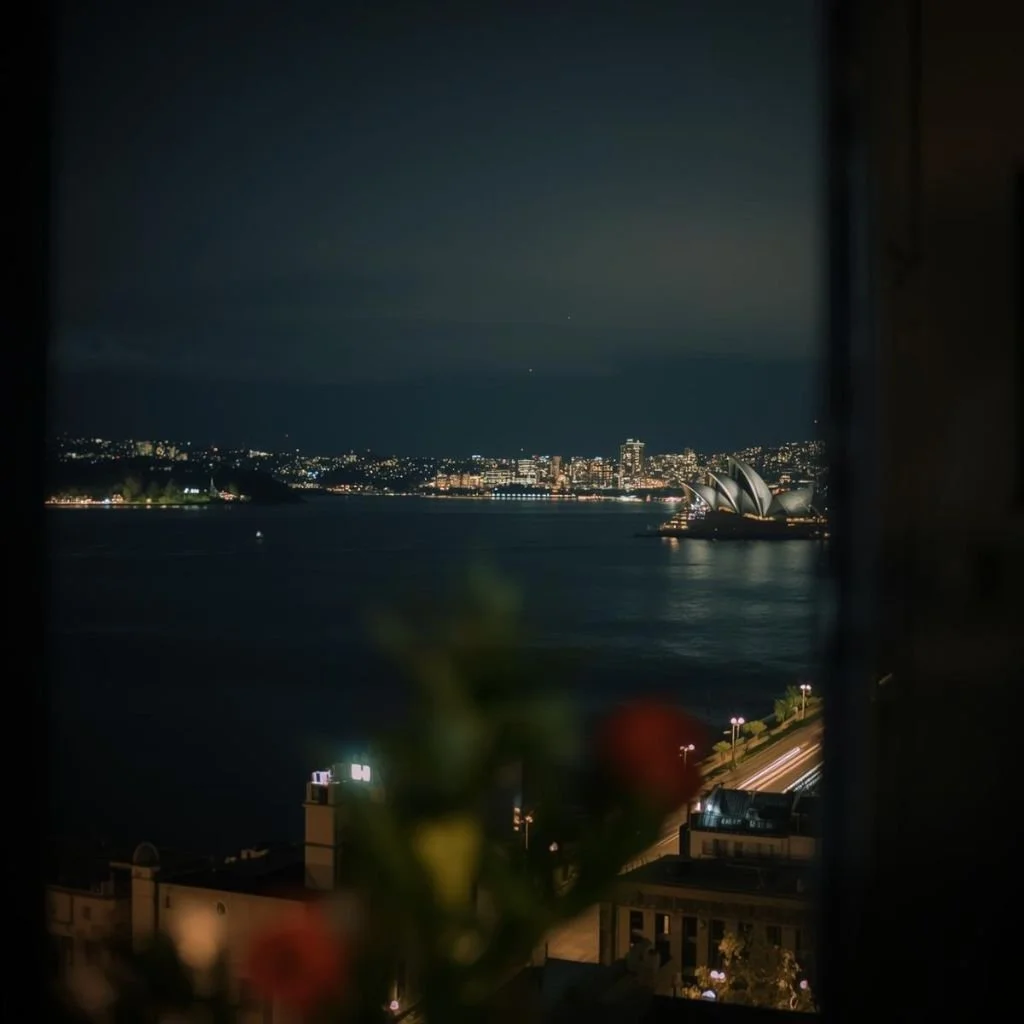
Sydney has a funny habit of pretending it is winding down when it absolutely is not.
Dinner runs over. One drink becomes two. A quiet catch-up turns into a proper night. Someone opens a second bottle, someone else invites one more friend, and suddenly the evening has moved well past the point anyone planned for. That part is normal. In Sydney, especially, it barely qualifies as a surprise.
What is surprising is how quickly alcohol access drops off once the clock pushes past 9pm.
Because that is the real mismatch. Sydney’s social life has one rhythm, but alcohol retail often runs on another. People are still out, still hosting, still halfway through the night — yet the usual options have already started disappearing.
That gap is exactly why late-night alcohol delivery makes sense in Sydney. Not as a gimmick. Not as some over-the-top convenience. Just as a practical response to the way the city actually behaves after dark.
Sydney does not stop. It just changes gear.
There is a big difference between “the city is closed” and “the city is harder to navigate.”
That is what late evening in Sydney really feels like. The energy is still there, but the easy options are gone. Restaurants may still be busy. Homes are still full. Events are still rolling on. But once bottle shops start shutting, the night shifts from flexible to awkward very quickly.
That is when people stop browsing and start checking.
Can I still order tonight?
Do you cover my suburb?
Will it get here while the night still matters?
Those are not luxury questions. They are practical ones. And after 9 or 10pm, practical always beats impressive.
Northern Sydney feels this gap more than people expect.
During the day, Northern Sydney is easy. Plenty of retail. Plenty of movement. Plenty of choice.
At night, it is a different story.
Once late trading options thin out, distances suddenly feel longer. The “backup plan” you thought was nearby often is not. One store closing can wipe out an entire cluster of convenient options, especially if nobody feels like driving, nobody should be driving, or the whole point is not to break the night’s flow just to solve one missing bottle problem.
That is why Northern Sydney late-night demand is not really about endless choice. It is about dependable access.
People are not sitting there comparing fifteen rosés under pendant lighting. They are usually trying to answer something much simpler: can I sort this out tonight without turning it into a mission?
That difference matters. It changes what good service looks like.
After 9pm, people want clarity — not theatre.
Late-night orders are rarely about extravagance. Most of the time, they are reactive.
A dinner goes longer than expected. Friends stay. Supplies run lower than planned. Someone realises there is enough food, enough conversation, enough reason to keep the night alive — just not enough drinks.
That is a very different customer mindset from a daytime shopper.
Daytime browsing can afford to be leisurely. Late-night ordering cannot. Nobody wants a maze of vague promises, unclear suburb coverage, or checkout flows that only reveal bad news at the end. At that hour, the best service is the one that answers the basics fast and answers them honestly.
Still available tonight?
Good.
Delivering here?
Good.
Clear cut-off?
Even better.
If a service cannot do those three things well, the rest is window dressing.
This is where local delivery starts to matter.
Big platforms are built for scale. Late-night delivery is built on something else: local reality.
At night, broad promises mean less than practical knowledge. The service needs to know which suburbs are viable, what delivery windows are realistic, and where demand actually shows up once the city shifts into evening mode.
That is particularly true in Northern Sydney, where a local understanding of routes, neighbourhood patterns, and actual customer expectations can make the difference between a reliable service and a very polished disappointment.
Late-night alcohol delivery works best when it is precise. Not bloated. Not vague. Not pretending every area is equally easy to service.
People do not need fantasy at 10:43pm. They need a service that knows its zone and says what it can actually do.
The best late-night service does one thing very well: it keeps the night moving.
There is a tendency to talk about late-night delivery as though it exists for excess. That is lazy thinking.
Most of the time, it exists for continuity.
It keeps a dinner from ending early for the wrong reason. It keeps a gathering from turning into a debate about who has to leave. It keeps the mood intact without turning a small problem into a logistical headache.
That is why “late-night” should not be framed as “same-day, but later.” It is a different need entirely.
Same-day delivery is usually planned.
Late-night delivery is usually situational.
One supports organisation. The other supports momentum.
That difference is important because it changes the value of the service. At night, the question is not “Can I get anything?” It is “Can I solve this cleanly, safely, and before the moment passes?”
Of course, not everything is flexible — and that is a good thing.
Late-night alcohol delivery in NSW is not a free-for-all. Same-day delivery comes with clear responsibilities around age checks, delivery handover, and who can legally receive the order. Orders cannot simply be left unattended, and alcohol cannot be supplied to minors or intoxicated people. Delivery hours are also regulated.
That does not make the service worse. It makes it real.
A good late-night operator should feel clear about its boundaries. Clear cut-off times, defined service areas, proper handover, proper verification. That kind of structure is not friction for the sake of friction. It is what makes the whole thing credible.
In other words: the service should be easy to use, but not sloppy.
Sydney nights are unpredictable. That is exactly the point.