How Age Verification Works for Alcohol Delivery
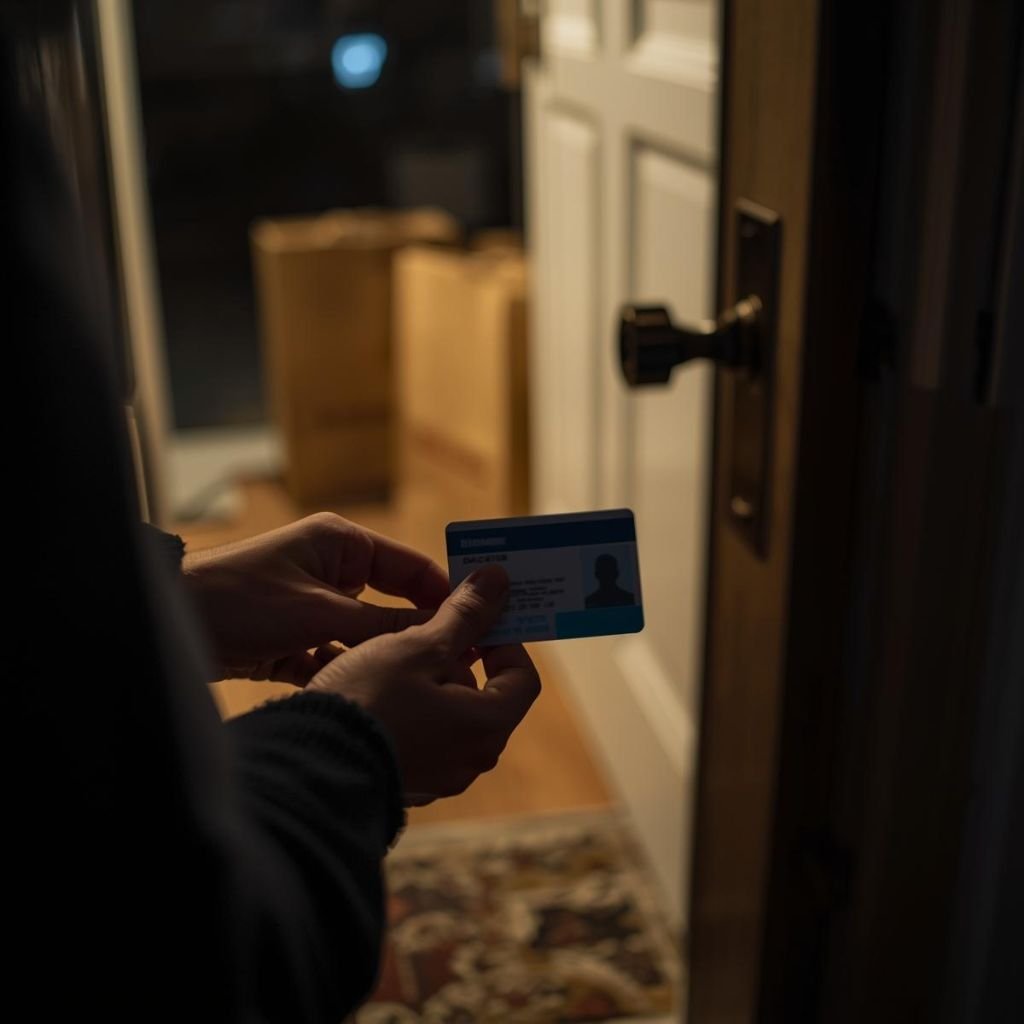
If you have ever ordered alcohol delivery and thought, "Hang on, didn't I already prove I'm an adult when I placed the order?" — you are not alone.
This is one of the most common points of confusion in alcohol delivery, and honestly, it makes sense. To a customer, the order can feel complete the moment payment goes through. To a provider, that is only part of the process.
With alcohol, legality does not stop at checkout. It follows the order all the way to the handover.
In NSW, providers must verify the age of purchasers before completing same-day deliveries, returning customers must also be authenticated before later deliveries, and delivery staff still have to follow handover rules at the door.
So let's do this properly. Not the boring version. Not the legal textbook version. Just the useful version.
Why isn't ordering online enough?
Because alcohol is not treated like an ordinary parcel.
When you order dinner, a driver can usually drop it off and go. Alcohol does not work that way. In NSW, the law requires more than a successful checkout. Providers must verify the purchaser's age before same-day delivery is completed, and alcohol must be handed to an adult nominated by the purchaser rather than left unattended.
So the short answer is this: ordering online starts the process. It does not finish it.
That is why age verification can feel like it happens more than once. Because, in practice, it does.
So when does age verification actually happen?
Usually in two stages.
The first stage happens when the order is placed. The second stage happens when the order is handed over.
That may sound repetitive, but the two checks do different jobs. The first helps confirm the purchaser is legally allowed to buy alcohol. The second helps make sure the alcohol is actually being handed to the right kind of recipient under lawful conditions. NSW specifically requires provider-side age verification before same-day deliveries are completed, and also requires authorised adult handover rules to be followed at delivery.
Think of it this way: the checkout confirms the order should exist. The door confirms the handover can legally happen.
That is not duplication for the sake of drama. It is how the system avoids the obvious loophole of "one person orders, someone else receives."
Why might I still need to show ID at the door?
Because the door is where the risk becomes real.
At checkout, the provider is dealing with information. At the door, the driver is dealing with an actual person, in real time, in an actual situation. Those two things are not the same. NSW requires ID to be checked for recipients who appear under 25. For recipients who appear older, the provider must still either check ID or obtain a signed declaration confirming age.
So yes, even if you already filled in your details online, the handover can still involve an age check.
That is not the driver being difficult. That is the driver doing the job properly.
What kind of ID usually works?
The practical answer: something current, official, clear, and able to prove both identity and date of birth.
The exact acceptance process can vary between operators, but the general principle is straightforward. If the ID is expired, damaged, unclear, or looks like it belongs in a very questionable screenshot folder rather than in someone's wallet, you are heading toward a very unnecessary argument.
Valid ID means government-issued, current, clearly legible identification with a photo and date of birth. Unclear copies or screenshots are not reliable for verification purposes.
In plain English: have proper ID ready, not a story about where it normally is.
What if I don't have ID on me?
This is more common than people admit, especially late at night.
Leaving the house in a hurry, locking the wallet in the car, assuming the phone would be enough — these are not rare scenarios. But they do create a real handover problem.
NSW's rules do not have a "I promise I'm over 18" exception. The verification has to actually happen. If a recipient appears under 25 and cannot produce valid ID, the driver cannot lawfully complete the handover.
That is not a technicality being applied harshly. It is the rule doing exactly what it was designed to do.
The easiest fix is also the least glamorous one: check that ID is accessible before the order arrives, not after the driver is already at the door.
Does the name on the order need to match the ID?
Sometimes this is where customers get caught out.
The safest assumption is: the details should make sense together.
NSW requires written instructions to specify which adult is authorised to receive the delivery, and alcohol must be handed to an adult nominated by the purchaser. That means handover is not meant to be vague, improvised, or based on "it's fine, we all live here."
If the order is placed under one name, but a completely different person appears at the door with no clear link to the order and no lawful authority to receive it, that creates a compliance problem very quickly.
This is why "my housemate will grab it" is not always a smooth sentence unless the order setup and authorised recipient details actually support that.
Can someone else accept the order for me?
Potentially, yes — but not casually.
The important point is not whether another adult exists in the house. The important point is whether the provider is allowed to hand the alcohol to that person under the order's nominated handover conditions. NSW says alcohol must be handed to an adult nominated by the purchaser, and written instructions must specify which adult is authorised to receive the delivery.
So the answer is not: "Anyone over 18 can just take it."
The answer is closer to: "An authorised adult may be able to take it, if the order details and the handover conditions properly support that."
That is less casual than some customers expect, but again, alcohol delivery is not built on casual.
Why can't the driver just leave it at the door?
Because that would defeat the point of the whole process.
NSW expressly prohibits delivery to unattended locations. Alcohol must be handed to an adult nominated by the purchaser.
This is one of those rules people only dislike until they think about it for more than eight seconds.
If alcohol could simply be left on a doorstep, there would be no meaningful control over who actually takes possession of it. That is exactly what the verification system is designed to prevent.
So no, "just leave it and text me" is not a clever workaround. It is basically a request for the driver to ignore the law.
Can delivery still be refused even if I have ID?
Yes. And this is the bit customers often do not see coming.
Having ID helps. It does not automatically solve everything. In NSW, alcohol must not be delivered to anyone under 18 or to anyone who is intoxicated. Providers also require proper handover conditions to be met.
So a refusal can still happen if the recipient appears intoxicated, the handover conditions are not lawfully satisfied, the driver cannot properly complete the verification process, the recipient is not the authorised adult, or the situation is too unclear to proceed safely.
That does not mean the service "failed." Very often, it means the compliance system worked.
Why does verification feel stricter late at night?
Because late at night is exactly when shortcuts become most tempting — and most risky.
People are more tired. Patience is lower. Group settings can get messy. The odds of someone saying "Come on, mate, it's obviously fine" go up dramatically after dark. That is precisely why standards should not get looser at night. The NSW framework does not relax these obligations just because the evening is lively; the same handover, ID, intoxication, timing, and record-keeping rules still apply.
In other words, midnight is not a legal personality change.
If anything, late-night delivery is the moment when a good system matters most.
What should customers do to make the process easy?
This part is refreshingly unglamorous.
Have valid ID ready. Make sure the right person is available. Do not assume unattended drop-off is an option. Do not wait until the driver is outside to discover nobody can lawfully receive the order. And do not treat a regulated handover like a debate club.
Most age verification issues are avoidable when people know the rules before the doorbell rings. Having ID ready, ensuring the correct person is available, and understanding that refusal is possible keeps the process quick instead of awkward.
The real point of age verification