Why We Always Underestimate How Much We Need
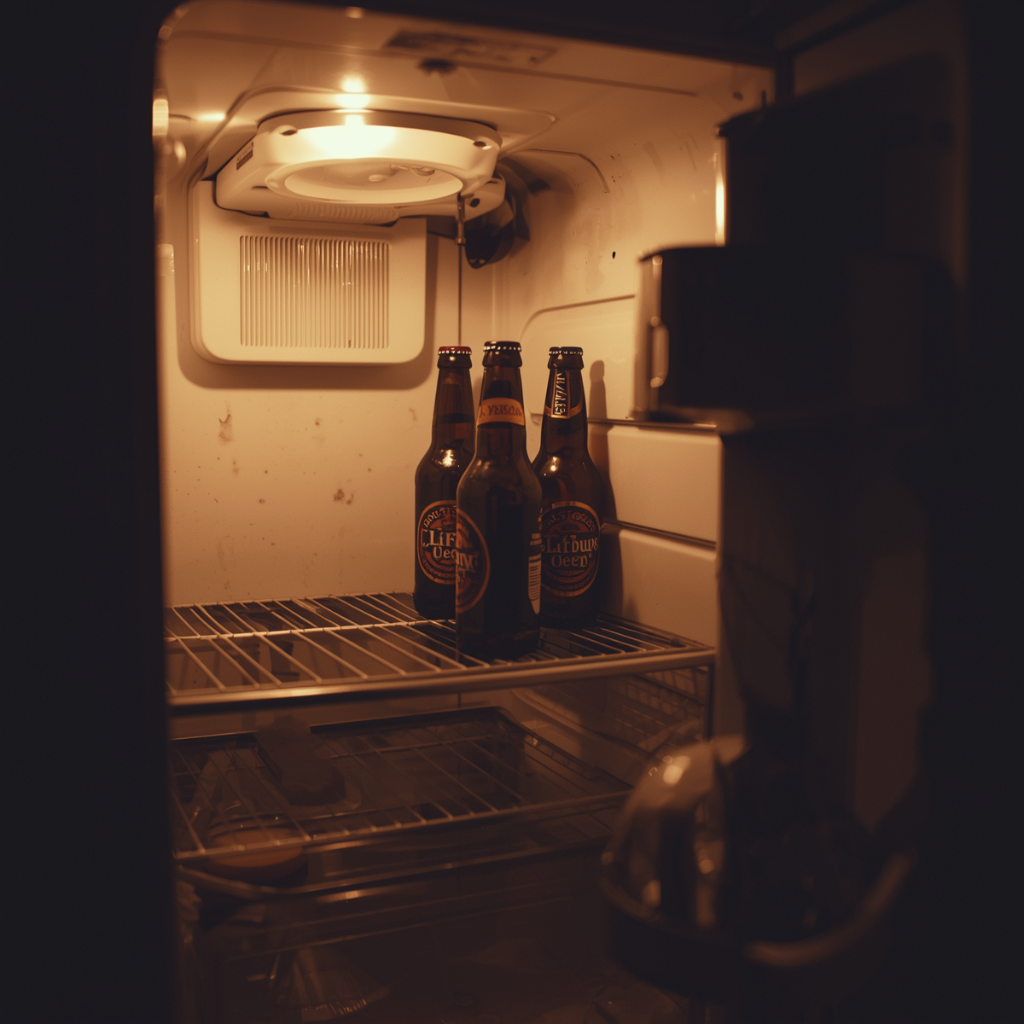
It happens every time.
Not occasionally. Not when the group is bigger than expected or the night runs later than planned. Every time.
Someone does the mental calculation before the order goes in. They count the people, estimate the hours, feel pretty confident about the number they land on, and place the order.
And then, somewhere between 10pm and midnight, someone opens the fridge and says: "Are we running low?"
The answer is almost always yes.
This is not bad luck. It is not a failure of maths. It is a very consistent, very human pattern — and once you understand why it happens, it becomes much easier to stop it from ruining an otherwise excellent evening.
The calculation feels more accurate than it is
Here is the first problem.
When people estimate how much they need, they are usually doing something that looks like maths but is actually optimism.
They count the people. They think about how long the night will last. They divide something by something else. They arrive at a number that feels reasonable because it was produced by a process that resembled a calculation.
But there are several things that number almost never accounts for.
It does not account for the fact that gatherings run longer than people expect. Almost always. The night that was supposed to end at 10 ends at midnight. The catch-up that was going to be "a quick one" becomes the best evening in three months.
It does not account for variance in how much different people drink. An average is not a guarantee. Some people will drink more than the average. Some will drink less. When the people who drink more are the ones having a particularly good time — which tends to correlate — the actual consumption skews well above what the estimate assumed.
It does not account for waste, spillage, the drink that gets left and forgotten, or the round that gets poured more generously than intended.
And it definitely does not account for the fact that the person doing the estimating is usually trying to avoid buying "too much," which means the estimate is already biased toward the low end before any of the above factors get involved.
The psychology of "too much"
This is the real engine of the problem.
People do not just make a neutral estimate. They make a socially calibrated one.
Buying "too much" feels slightly embarrassing. It implies excess. It implies misjudging the room. It implies that you expected more of a night than actually materialised, which is a small but real social discomfort that people quietly work to avoid.
So the estimate gets nudged down.
Not dramatically. Just enough to feel socially reasonable. Just enough to avoid looking like you planned for a bigger night than the occasion warranted.
And then the occasion becomes bigger than the occasion warranted, because good nights tend to do that, and the estimate that felt perfectly calibrated now looks like it was designed for a different, much quieter evening.
The buffer you removed to avoid looking excessive is exactly the buffer the night needed.
Why late nights are worse for this than early evenings
The underestimation problem exists throughout the day. But it compounds after dark for a specific reason.
By the time drinks run low late at night, options have narrowed. It is harder to fix. The stores that were open at 6pm are not open now. The casual trip to the bottle shop that would have taken eight minutes at 5pm is now a much bigger logistical question involving who goes, what is actually open, and how long the night will still be running by the time they get back.
What was a minor miscalculation earlier in the day becomes a decision with real consequences at 10:30pm.
The cost of underestimating does not stay constant as the night goes on. It increases. The same shortage that would have been a minor inconvenience at 7pm is a genuine mood disruption at 11pm.
That asymmetry is why it is always worth correcting the estimate on the early side rather than the late one.
The specific moments where the calculation fails
There are a few recurring scenarios where underestimation is almost guaranteed.
The first is when someone new shows up unexpectedly. Not a crasher — just someone who was mentioned earlier and now is actually here, plus maybe a friend they brought. The estimate was built for a fixed number. The number changed. The estimate did not.
The second is when the gathering shifts gear. It started as dinner. Now it is something else. The drinks that were calibrated for a meal are now calibrated for the wrong kind of evening entirely.
The third is when the pace picks up. Some nights have a slow rhythm. Some hit a point where everything accelerates — the music gets louder, the conversations get better, the refills happen faster. Nobody planned for the pace to change. The estimate did not include a variable for "when everyone is suddenly having a great time."
The fourth is simply time. The night that was supposed to end two hours ago is still going. The estimate was correct for the intended duration. The actual duration is significantly longer.
Each of these is predictable. Not inevitable — but predictable. And the fix for all of them is the same.
The actual fix
It is embarrassingly simple.
Whatever your estimate is, add one more unit of the main thing.
Not double. Not a panic-buy of everything available. Just one more. One more sixer. One more bottle. One more backup.
That one extra unit covers the unexpected guest. It covers the night that runs long. It covers the round that goes heavier than expected. It covers the moment where someone says "are we running low?" and instead of that sentence landing as a problem, someone can say "no, there's one more in the fridge" and the evening moves on without a hiccup.
The cost of that extra unit is small. The value of it, on the right night, is disproportionate.
And on the nights where you genuinely did not need it? You have drinks in the fridge. That is not a failure. That is just next weekend handled.
What this says about late-night ordering
If you have already underestimated and the night is still running, the calculation becomes slightly different.
Now it is not about avoiding the problem. It is about solving it with minimum disruption.
The key variable at that point is time. How much night is left versus how quickly the gap can be closed. Late-night delivery becomes genuinely useful here not because it is glamorous, but because it solves a predictable problem — underestimation — without requiring anyone to leave, without interrupting the flow of the evening, and without turning a small shortage into a bigger logistical production than it needs to be.
That is the unsexy, practical case for having a fast late-night option available. Not for people who planned badly. For people who made a very normal, very human miscalculation that almost everyone makes, and who want to correct it without making a whole thing of it.
The real lesson